VAMPIRE BATS
Sharing a meal
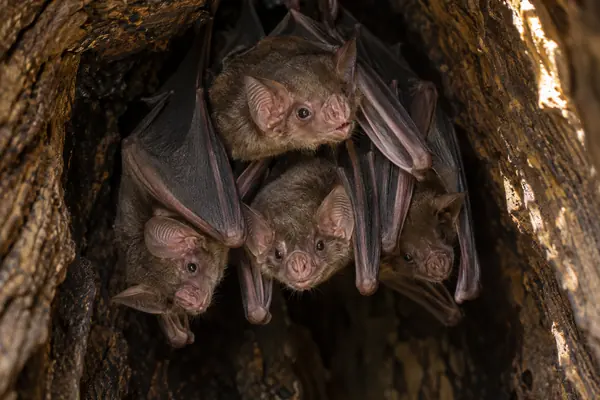
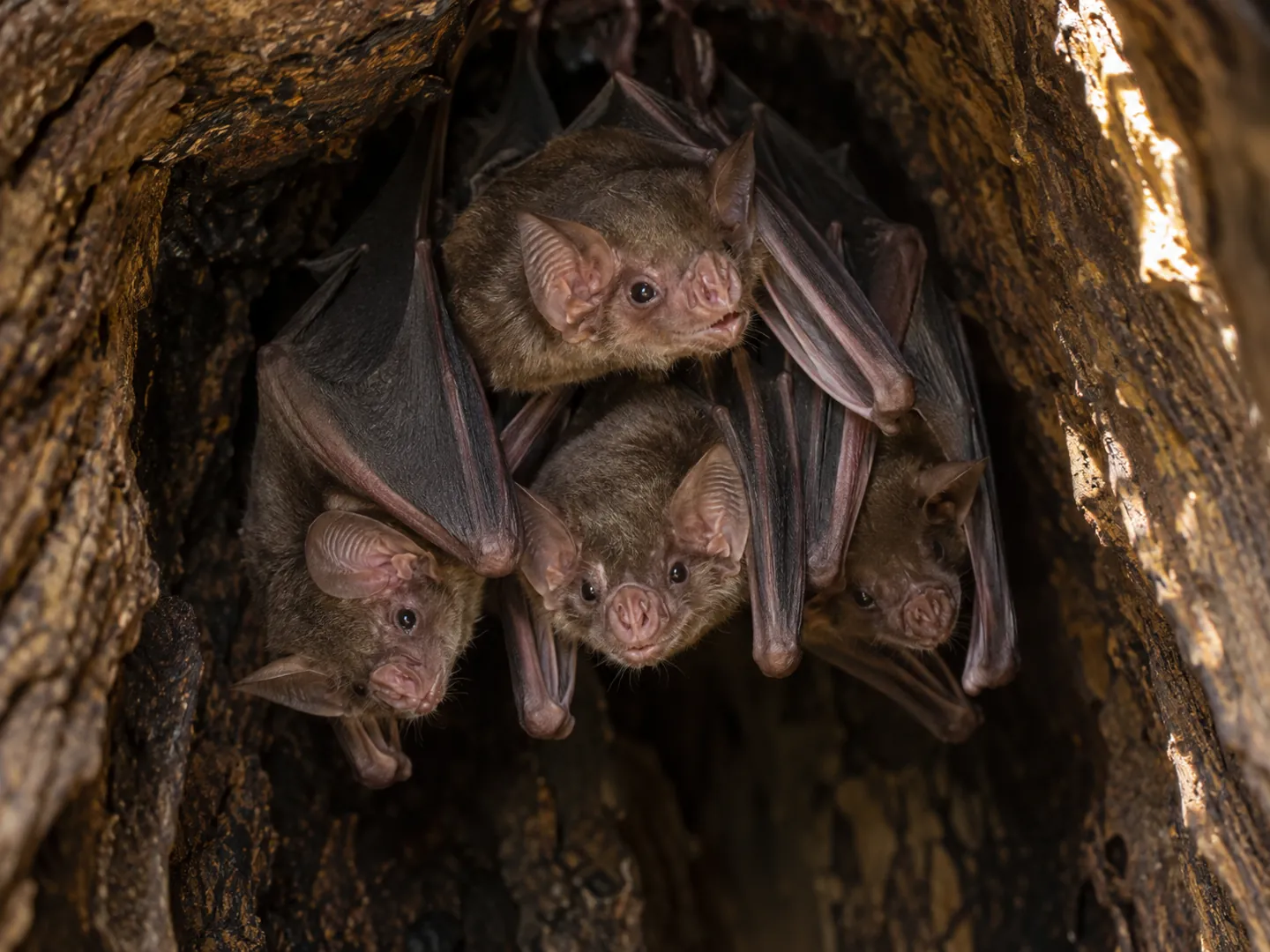
Vampire bats regurgitate blood to roost-mates that failed to feed. In one study, food received was the best predictor of food given, far ahead of how related two bats were.
See the numbers doodlefriends
WHAT THE STUDIES SHOW
Friendship is not only a human thing.
64% of food-sharing bat pairs unrelated
8.5× more important Reciprocity versus relatedness
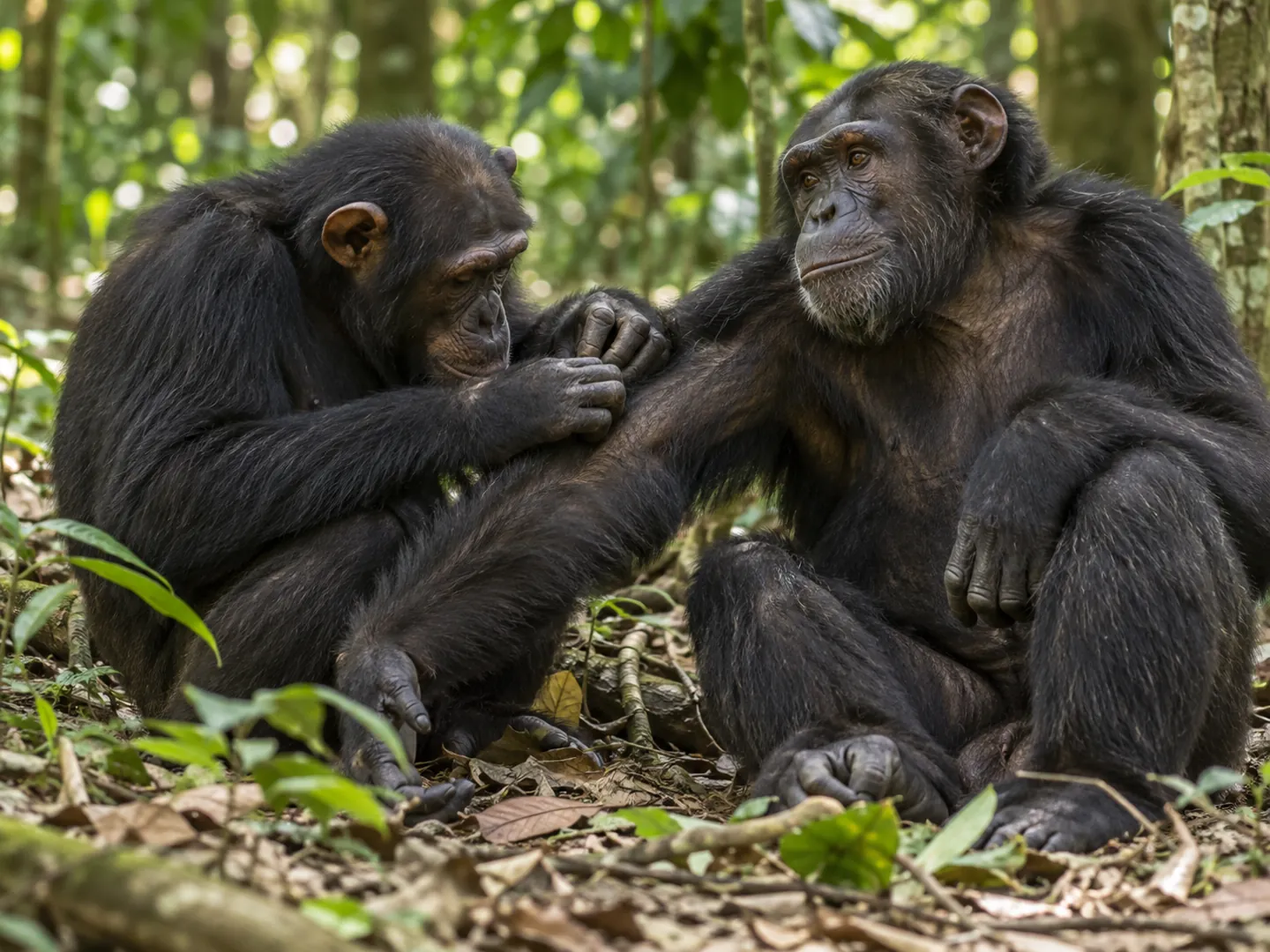
Researchers are careful to call them friendship-like bonds: lasting, chosen relationships with particular partners, often not relatives. Studies of vampire bats, baboons and chimpanzees show that these bonds can bring food, help in coping with stress, and even a longer life.
THE SHORT ANSWER
Scientists look for bonds that are chosen, lasting and two-way.
Here are three species where they found them.
VAMPIRE BATS
Vampire bats regurgitate blood to roost-mates that failed to feed. In one study, food received was the best predictor of food given, far ahead of how related two bats were.
See the numbersBABOONS
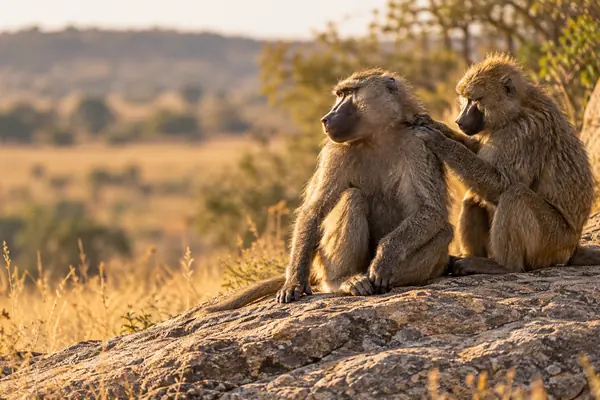
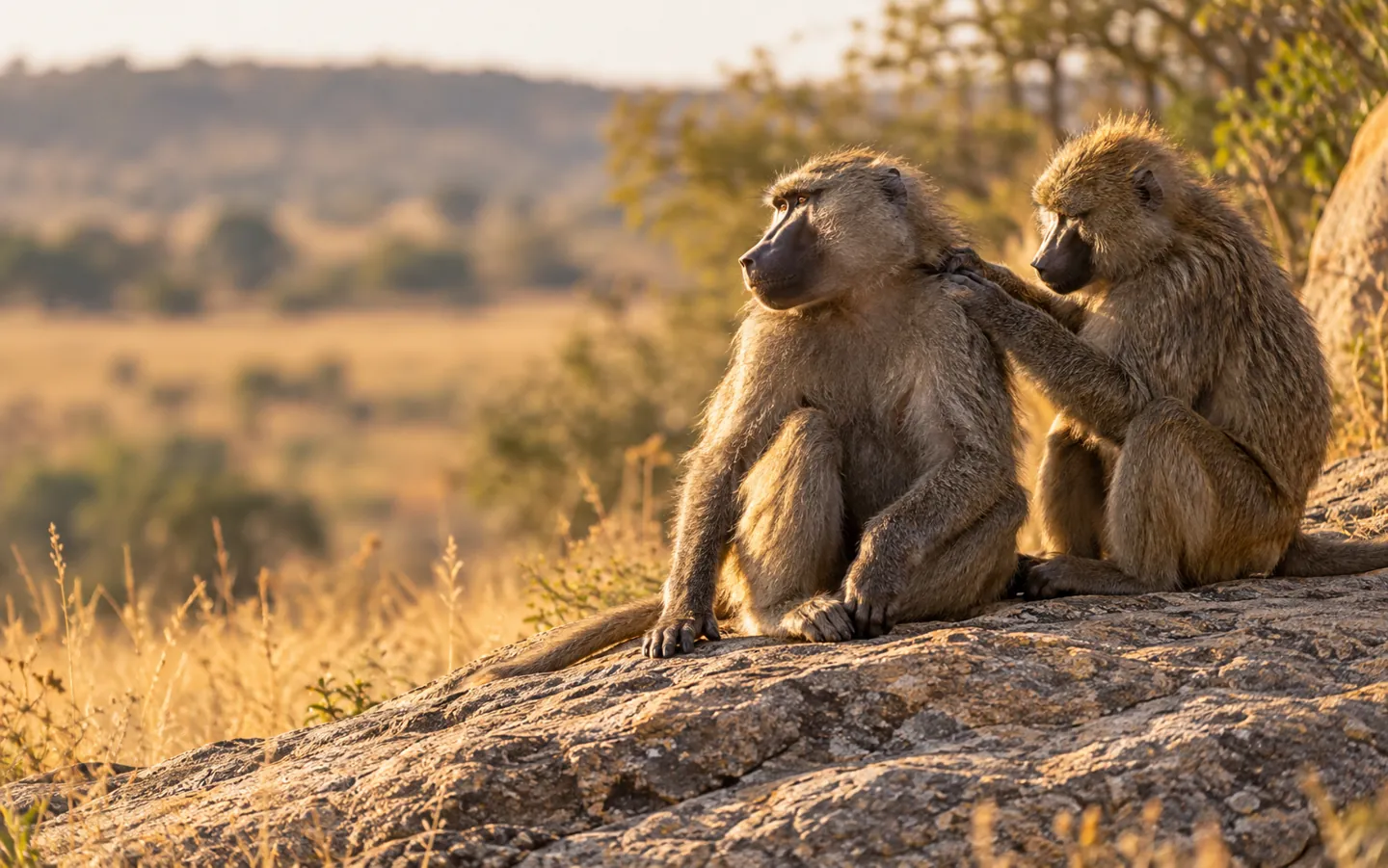
Female chacma baboons that formed stronger and more stable bonds with other females lived significantly longer than those with weaker, less stable relationships.
Compare the studiesCHIMPANZEES
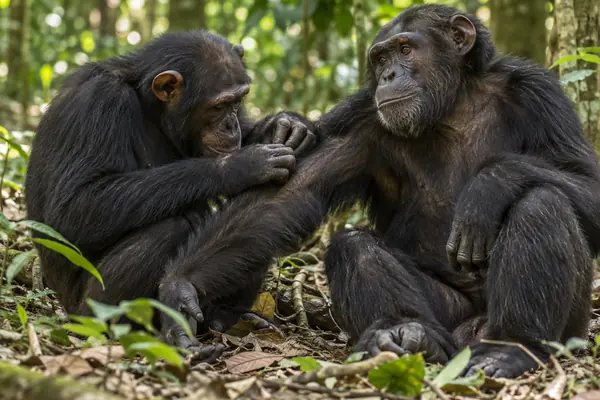
In wild chimpanzees, oxytocin levels were higher after grooming with a bond partner than with others, whether or not the two were related.
How they study itA QUICK STUDY CHECK
Pick a finding to see what researchers measured. The bar shows how far each study traced a payoff: from time spent together, to body chemistry, to food and lifespan.
Based on studies in Current Biology, PLOS Biology and Proceedings of the Royal Society B (2010 to 2021).
HOW SCIENTISTS SPOT A FRIEND
Studying animal friendship means turning a human word into things that can be counted. These are the methods behind the findings on this page.
Proximity sensors lighter than a one-cent coin logged almost 400,000 meetings among 50 wild vampire bats over two weeks.
Researchers note grooming and food sharing, then check whether help flows both ways over time.
Hormones such as oxytocin, measured in urine, show how an animal responds to a particular partner.
Long-term field records let researchers link the strength of bonds to survival and breeding.
TWO NUMBERS WORTH KNOWING
From a two-year study of 20 vampire bats
in which researchers fasted bats one at a time.
8.5× more important
Reciprocity versus relatedness
Food a bat had received from a partner was 8.5 times more important than relatedness in predicting the food it gave back.
VAMPIRE BATS · 2013
64%
Sharing pairs that were not related
Sixty-four per cent of the pairs that shared food were unrelated, close to the 67 per cent expected if bats did not favour family at all.
VAMPIRE BATS · 2013
Source: Carter and Wilkinson (2013), Proceedings of the Royal Society B. The food-sharing network was consistent and matched which bats groomed each other.
A NOTE OF CAUTION
Scientists often put the word friends in quotation marks. For vampire bats, researchers have debated whether food sharing is a two-way exchange between partners or simply help for relatives, which is what a 2013 study set out to test.
What the studies do show is that many animals keep particular partners, that those partners are often not relatives, and that the bonds can bring practical benefits. The baboon study's authors describe a growing body of evidence that social bonds have adaptive value in species from mice to humans.
Questions
Many species form lasting, chosen bonds with particular partners, often not relatives. Researchers usually call these friendship-like social bonds rather than friendships in the human sense.
A vampire bat that fails to feed can be fed regurgitated blood by a roost-mate. In one study, the food a bat had received from a partner predicted what it gave far better than relatedness.
In female chacma baboons, those with stronger and more stable bonds with other females lived significantly longer, separately from the effect of dominance rank.
In wild chimpanzees, oxytocin levels rose more after grooming with a bond partner than with other chimps, which may help them keep track of relationships over time.
Vampire bats that bonded in captivity kept many of those bonds after release into the wild, though some faded, much as some human friendships do.
Updated
ABOUT THIS NAME
doodlefriends.com is part of the DoodleSale portfolio. Check the current listing and available purchase or lease options.